
Pulmonary Function Laboratory
Next generation respiratory diagnostics – Partnering with Ramsay Healthcare for nationwide excellence. Led by Prof. Amy Rigby and the RespCAIR team. Precision testing, rapid reporting, and seamless integration with telehealth and rehabilitation.
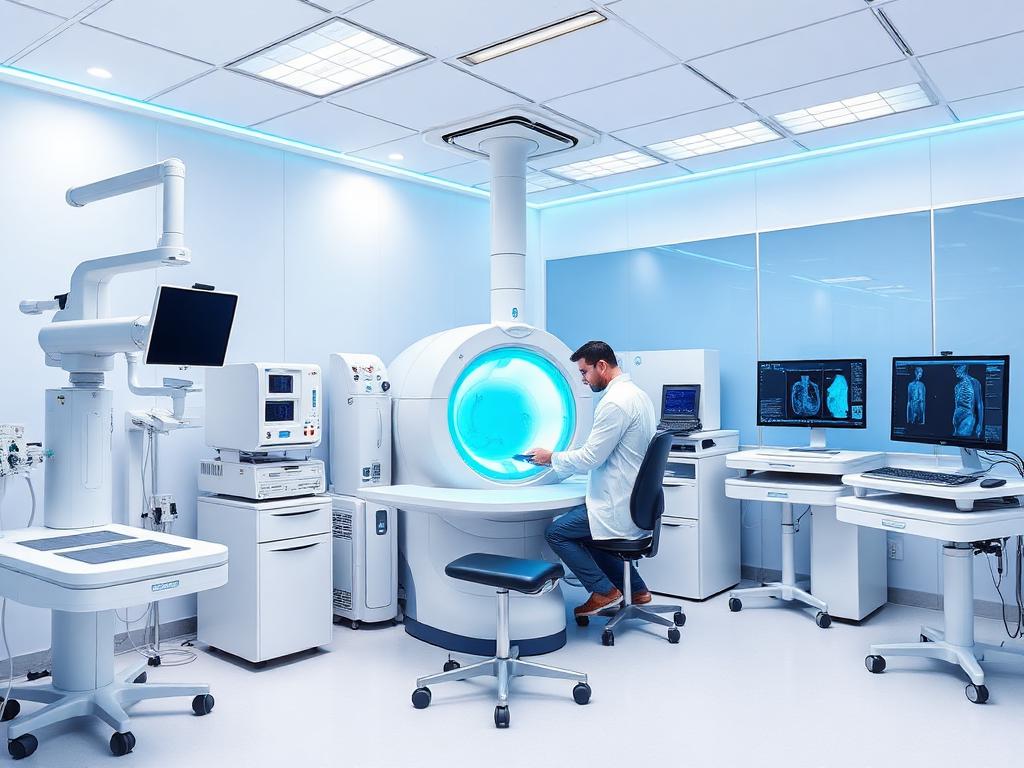
Consultant-led accuracy
Testing supervised by respiratory specialists with rigorous quality controls (ATS/ERS & TSANZ aligned).
Comprehensive test menu
Spirometry, bronchodilator response, lung volumes (body box), and DLCO gas transfer.
Patient‑centric design
Appointments that run on time, clear coaching, and results explained in plain language.
Fast digital reporting
Secure, same‑week reports to referring doctors with actionable interpretations.
Comprehensive Respiratory Testing
Advanced diagnostic capabilities for accurate assessment and monitoring
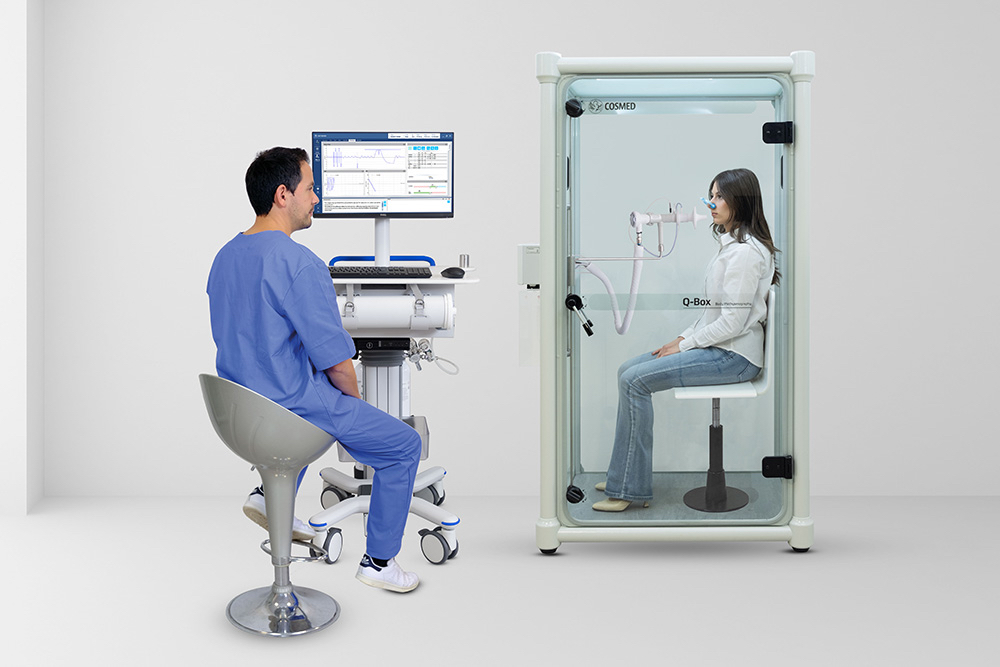
Body Plethysmography
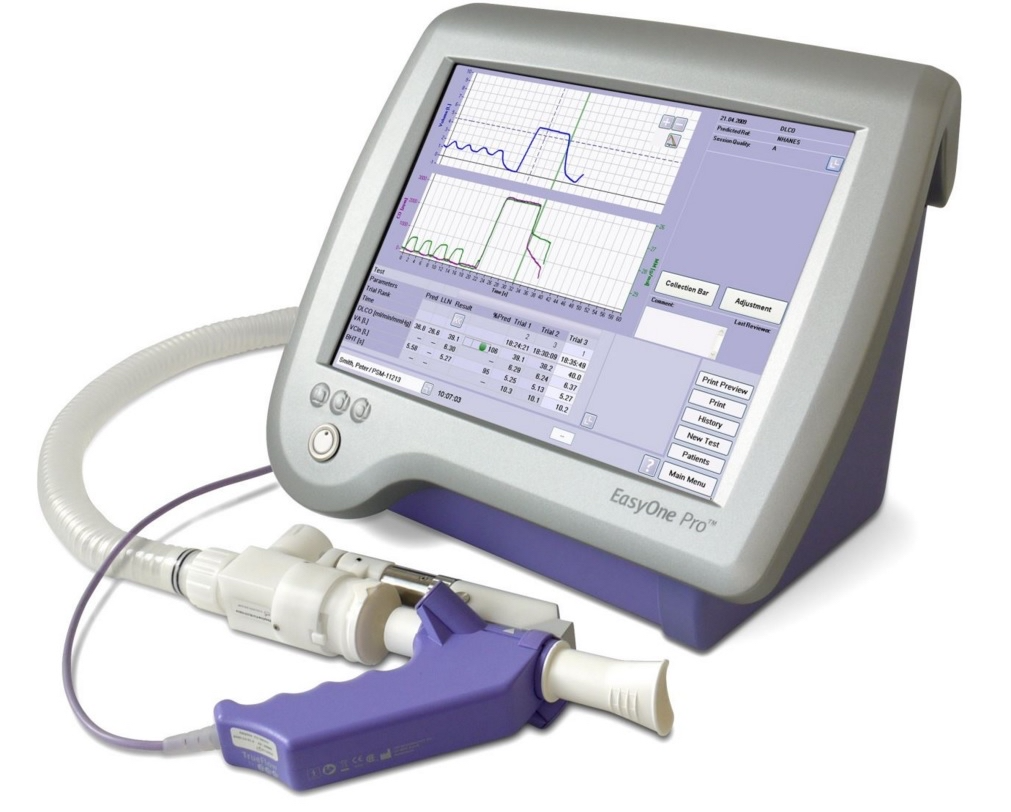
EasyOne Pro Spirometry
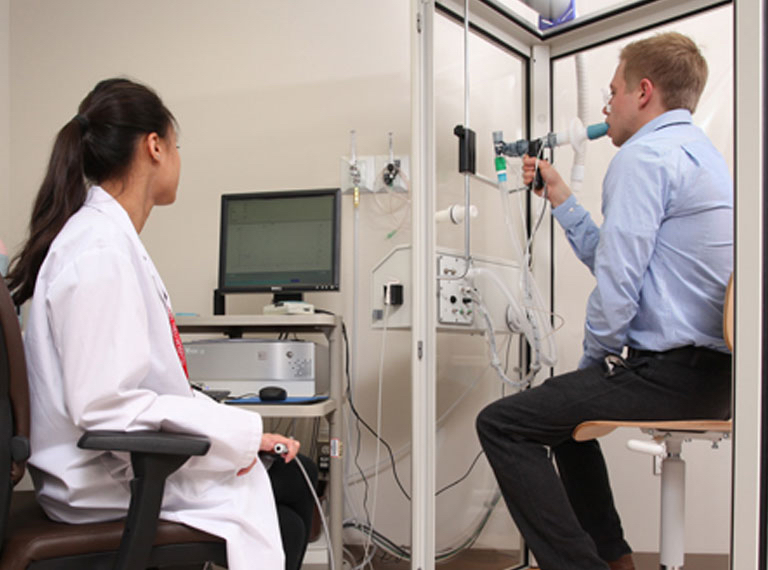
Clinical Testing
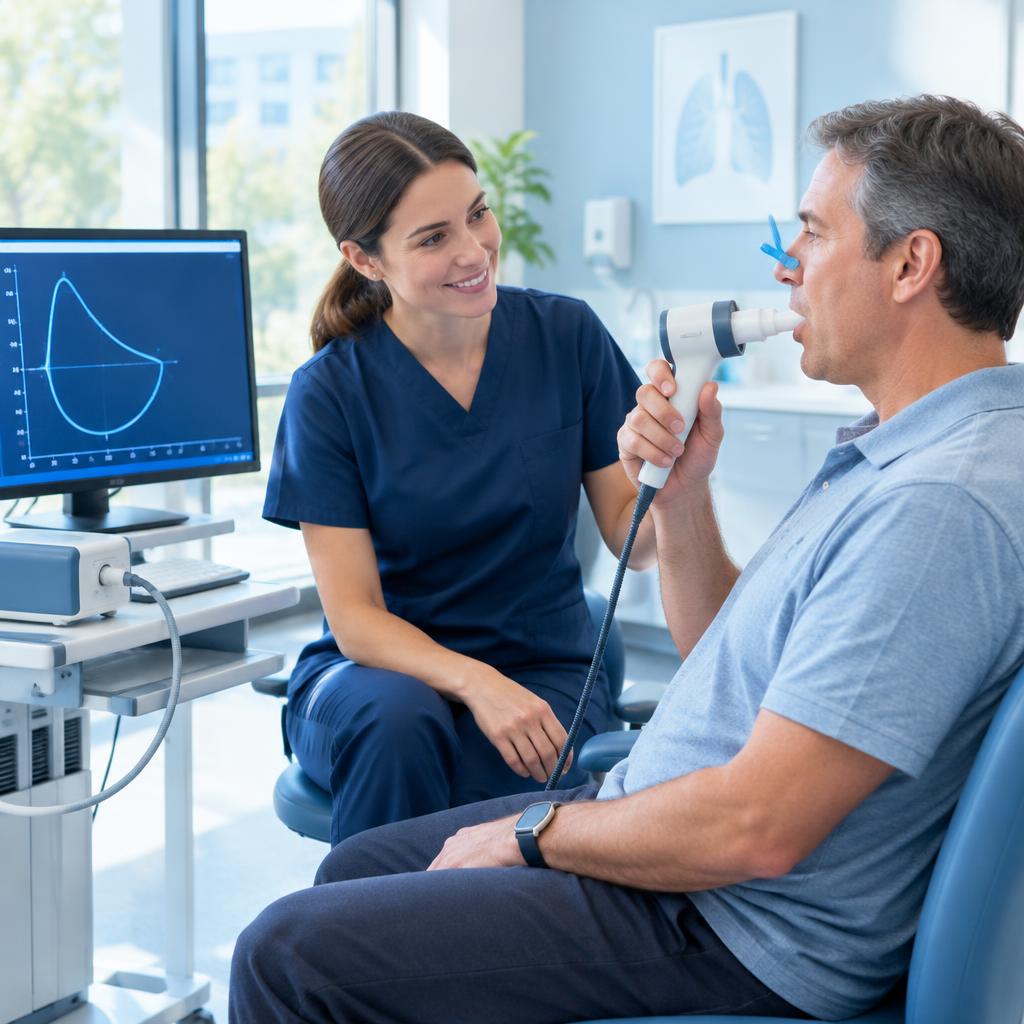
Spirometry (pre/post bronchodilator)
Airflow limitation assessment, obstruction pattern, and bronchodilator responsiveness.
Lung volumes – Body plethysmography
Total lung capacity, residual volume, and airway resistance for diagnosing hyperinflation and restriction.
DLCO (gas transfer)
Alveolar‑capillary gas exchange to support evaluation of interstitial, vascular, and emphysematous disease.
Respiratory muscle pressures (MIP/MEP)
When indicated, inspiratory/expiratory strength for neuromuscular or unexplained dyspnoea cases.
Understanding and preparing for lung function testing
FeNO — Fractional Exhaled Nitric Oxide
FeNO measures nitric oxide in your breath, a marker of type-2 (eosinophilic) airway inflammation — a type of inflammation involving immune cells called eosinophils. In appropriate clinical contexts, it can help guide inhaled corticosteroid management. FeNO complements but does not replace spirometry; interpretation is clinician-led and considers your symptoms and other test results.
Baseline lung function
Professor Amy Rigby ideally has a suitable baseline pulmonary function test (PFT) result for each new respiratory patient before or at their first consultation. This may be an existing recent acceptable test or testing coordinated by the practice. Clinical exceptions, accessibility and urgent needs remain the treating clinician’s decision; a missing test does not automatically block urgent review.
Consider periodic lung-health review and repeat PFT when clinically indicated. Adults over 50, or people with relevant exposures or respiratory symptoms, are encouraged to discuss this with their clinician. An annual comprehensive PFT is not a universal requirement for every asymptomatic adult.
Preparing for your visit
At your visit, the team will review your relevant history and explain the planned tests. You will perform breathing manoeuvres with coaching, and some manoeuvres may be repeated to obtain suitable measurements.
Wear loose clothing and bring your medication list and any referral. Follow specific inhaler instructions only if your referring clinician or the laboratory protocol asks you to; do not stop inhalers simply because you are attending a test.
Tell the clinic if you are unwell, have had recent chest pain, coughing blood, recent surgery or a heart attack, so the team can advise on the suitability and timing of testing.
Testing is at Ramsay Health Noosa Hospital.
For Doctors & Patients
Essential information for ordering tests and patient preparation
When to order
Patient preparation
Referral & Results
GPs and specialists can refer via Medical Objects (MO: 2864666A) or call 0423 330 786. Reports are delivered securely with clear interpretation and, when needed, a rapid consult with Prof. Rigby's team.
Integrated Care Pathway
Seamless integration from testing to treatment optimization
Testing
Comprehensive PFT with rapid, accurate reporting
Integration
Direct flow to virtual clinics and rehab programs
Results flow directly into RespCAIR's virtual clinics and Pulmonary Rehabilitation Program so patients receive timely optimisation of inhaled therapy, oxygen, and exercise prescription. For suitable cases, selected tests can be followed by home‑based monitoring and telehealth review.